Heading 2
GLASS PLATE OROTONES
GLASS PLATE OROTONES
Glass plate orotones form part of photography’s rich tradition of hand-crafted image making. Emerging from early experiments with tonal warmth and surface luminosity, they offer a distinctive way of experiencing the photographic print as both image and object.
Early photographers worked with large cameras and hand-prepared chemistry, often producing negatives on glass within makeshift travelling darkrooms. The later introduction of commercially prepared dry plates simplified this process, allowing exposures to be made on location while development took place in the controlled environment of the studio. Even so, the resulting images remained tonal negatives, requiring further interpretation through printing.
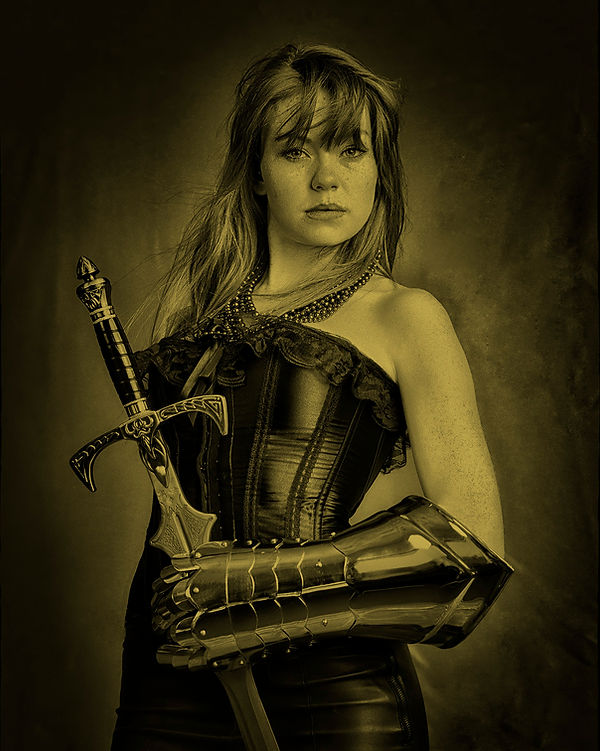
The orotone process introduced a distinctive solution. By creating a positive image on glass and applying a reflective gold-toned backing, practitioners were able to imbue the photograph with warmth and subtle radiance. The image appears to hover within the surface of the plate, shifting in character according to the quality of surrounding light.

CONTEMPORARY PRACTICE
In my own glass plate orotone editions, the orotone has become a means of connecting historic photographic craft with contemporary image-making. While the initial image may originate through digital capture, the subsequent stages return the photograph to a slower, more tactile process in which material decisions shape the final visual presence.
Through the preparation of contact negatives and the careful printing of sensitised glass plates, each image evolves gradually within the darkroom environment. The concluding application of a gold-toned backing introduces the characteristic luminosity of the orotone, allowing the photograph to shift subtly in response to changing light and viewpoint.
Each completed orotone is therefore more than a photographic reproduction. It becomes a singular object, shaped through a sequence of considered actions and material responses. Subtle variations in tone, surface and reflected light ensure that no two plates are entirely alike, allowing the work to exist somewhere between image, artefact and quiet visual presence.